The plan used to be simple. Study hard, get the offer, climb the ladder, and start a company someday, once it was safe.
Then I watched how fast AI was moving, and the plan stopped making sense. So I skipped to the last step. My last semester at Carnegie Mellon was the most intense stretch of my life, and by the end of it every signal pointed the same way.
The safe path stopped being safe
Not long ago, AI could barely write a helper function. Now coding agents build in an afternoon what used to take a team months. Every few weeks the models get better at exactly the work a junior engineer is hired to do.
The prestige of a big tech offer was built on scarcity, and that scarcity is going away. Taking the stable job would have meant betting my future on a company deciding, year after year, that I was still worth keeping. I would rather be the one making the decisions.
I'd done this before
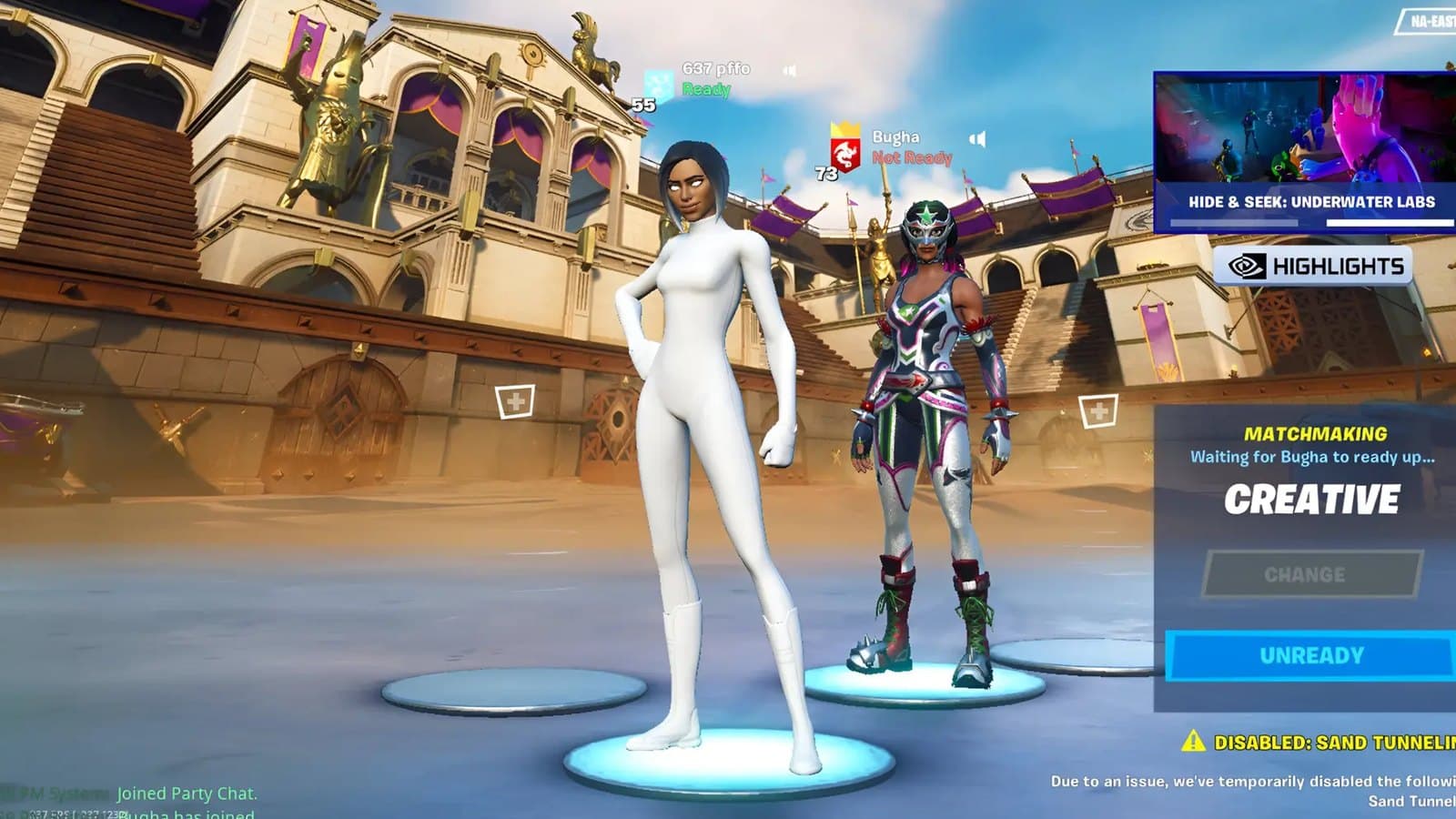
When I was fourteen, Fortnite had rare cosmetics that everyone wanted and almost nobody could get. I started one of the first Instagram marketplaces for buying and selling those accounts. It grew past 20,000 followers, with accounts selling for five hundred to a thousand dollars. I ran the pricing, the negotiating, the disputes and an inventory of hundreds of accounts, all on a system I built myself.
It ended when my parents realized how many strangers I was talking to. Fair enough. But I never forgot staying up until four in the morning closing deals with people on the other side of the world. For years, nothing else gave me that feeling. Lunon is the first thing that has.
Close to $2M in 60 days
While my classmates were studying for finals and applying to jobs, Lunon was running at full speed. Dhruv, our CEO, was closing investors and enterprise relationships. Ryan, our COO, was running customer discovery. I built everything we demoed to early clients and investors, alone, mostly at night.
I told no one. Not my family, not my friends. I didn't post about it. Every hour went into building.
Foundations of Software Engineering
17-313 is one of the courses nearly every CS and software student at CMU takes. The term project was to contribute to a real open source project, and our team, Piplup Party, split up so each of us could try a contribution of our own. I chose LangChain, the most widely used framework for building with large language models.
My pull request added over 300 lines and was the only one from our team merged into LangChain's main branch, so we built the whole presentation around it. It came together easily, because I was already deep in LangChain every night building Lunon.
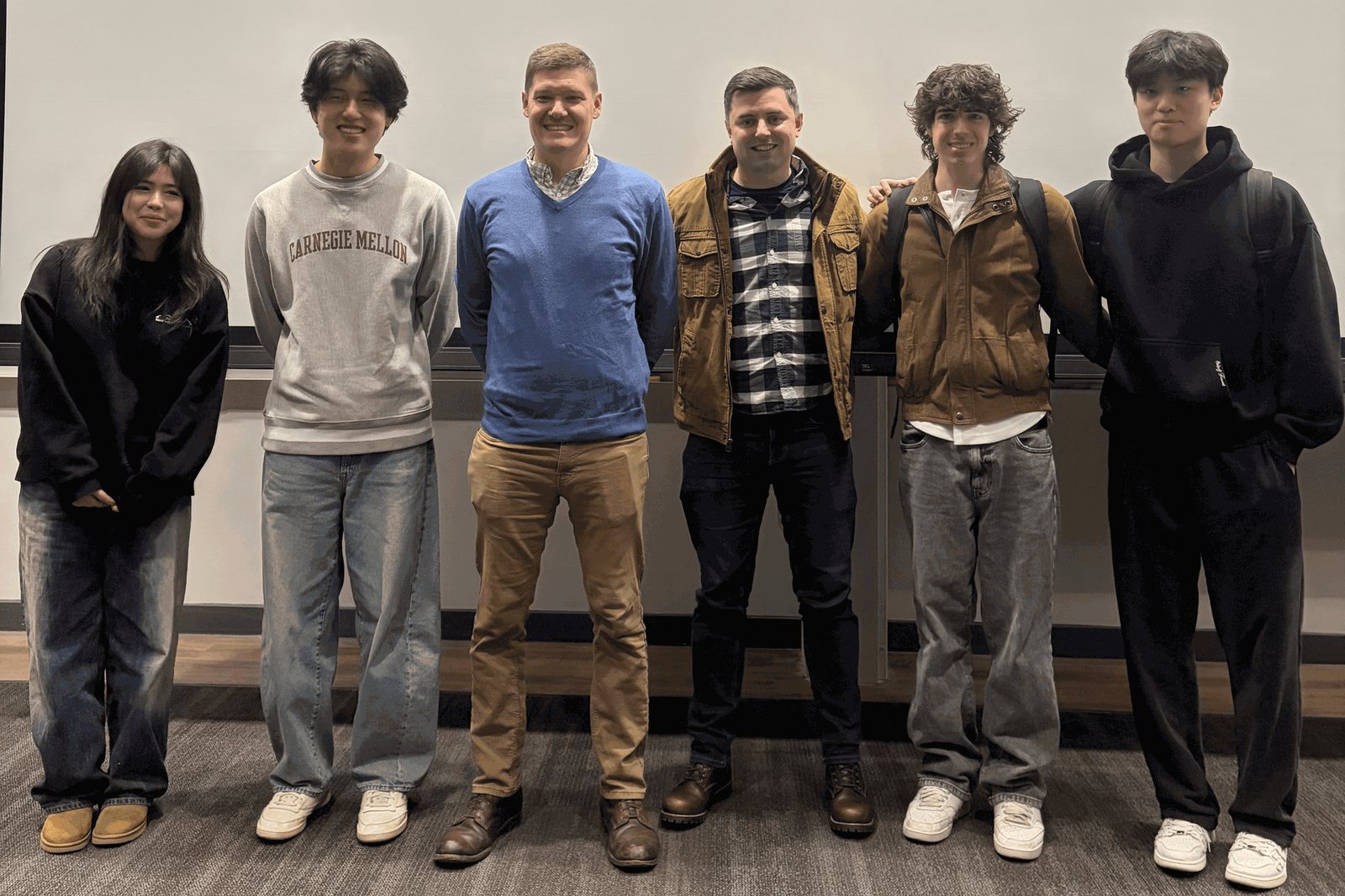
I was more nervous in front of that packed lecture hall than I had been in years. Once I started talking, it became the best presentation I have given. Afterwards, more than 140 students and the course staff voted on five awards. We won three: best project, most technical and best presentation. Funniest and most creative went to teams that deserved them. Piplup Party was inducted into the course's hall of fame.
Design of AI Products
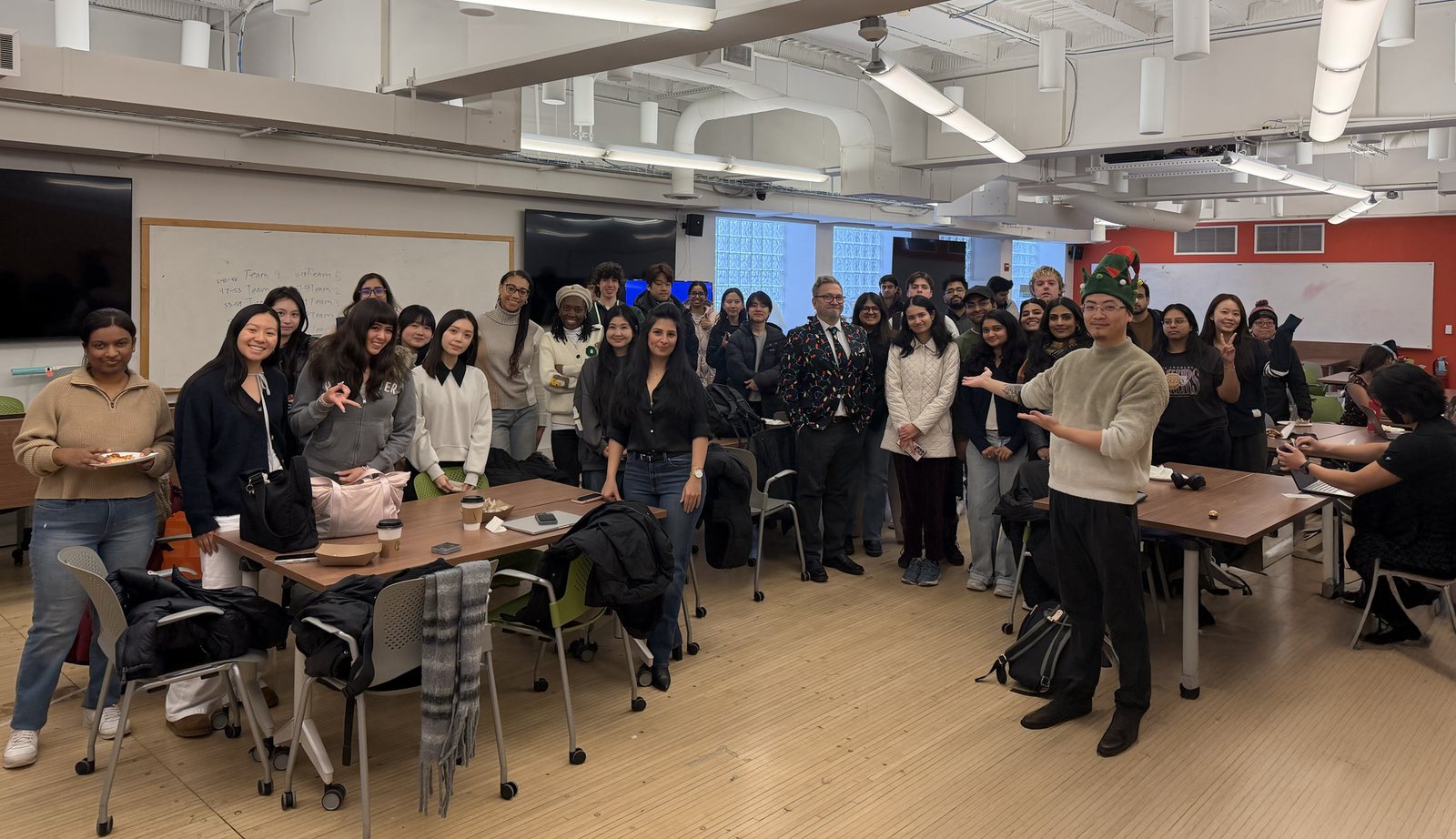
My other win came from Design of AI Products, taught by Dan Saffer and Leon Zhang, who was also one of Lunon's early advisors. The course was about AI that solves real business problems, not demos.
I built an agentic system that processes insurance claims end to end: it reads the documents, reasons through the policy in steps and makes the decision, with a person only stepping in where it matters. It was everything I had been learning at Lunon about putting AI into production.
The room made the win mean more. All three of my teammates were graduate AI students, and one had spent a decade as a McKinsey consultant. The rest of the class was the same: people who came to CMU to sharpen skills they had already been using at top companies for years.
The signal
I probably studied less that semester than any other. Every free hour went into Lunon, and that hands-on work in production AI carried straight into my coursework. The gap between what I learned by building and what the classes taught kept widening.
I am not the most book-smart person at CMU, and I don't care much for class competitions. But I am a builder. Those two projects were simply a place where the work sat next to everyone else's, and the results said it was time to go.
Win or lose
I left with five classes remaining. The raise gave us the runway to move to San Francisco, and I started recruiting the best builders I have come across.
I could be wrong about all of this. Lunon could fail. If it does, it will fail on decisions I made, and I will know exactly what to do differently next time. Today a miss costs me time. In ten years the same bet would cost far more.
That is the trade I want. I would rather own the outcome, good or bad, than hand it to someone else and hope it goes my way.